Tokyo doesn’t show off. It’s a city that waits for you to notice the details train melodies, orderly sidewalks, quiet temples hidden behind modern towers. It mixes calm with chaos, not with drama but with rhythm. First-time visitors might feel lost at a glance, but Tokyo doesn’t demand you figure it out immediately.
Each neighborhood reveals something different. You won’t “do” Tokyo in one trip, but you will start to understand it. This guide offers a grounded view, no gimmicks, just a clear picture of how to enjoy the city for what it really is.
Tokyo is made up of small cities stitched together. Each district feels like its own world, and choosing where to stay shapes your days.
Shinjuku is a reliable base. Known for its massive train station and crowded streets, it’s also full of surprises. Tall buildings hide quiet coffee shops. Shopping areas are everywhere, but so are public parks like Shinjuku Gyoen, where the pace slows.
Asakusa feels like stepping into the past. Senso-ji Temple anchors the area, with narrow streets and old-style storefronts adding to its charm. It’s a good place for street food, short river cruises, and catching glimpses of traditional architecture that hasn’t been erased by modern development.
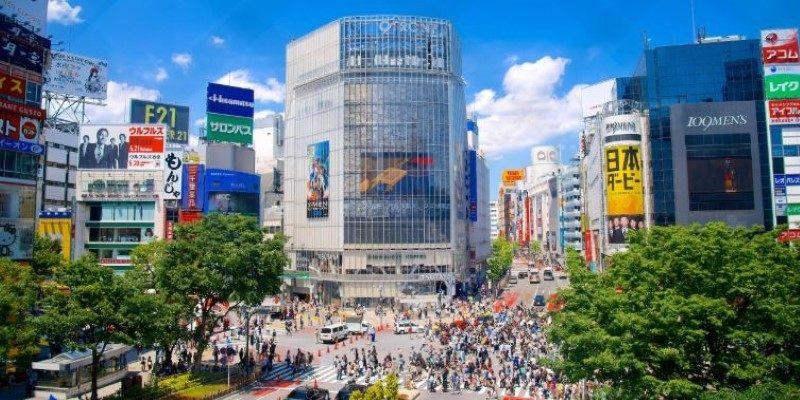
Shibuya has a younger atmosphere. The famous crossing, visible from several buildings, is as busy as they say. Around it, you’ll find fashion boutiques, music stores, and quiet alleyways that cut through the noise. Cat Street connects Shibuya with Harajuku, offering a softer version of both.
Ginza is all clean lines and quiet sidewalks. High-end brands line the streets, but you’ll also find theaters and art galleries. Small local restaurants are tucked behind glowing signs and basement entrances, offering peaceful spots in the middle of polished blocks.
The train system connects these areas efficiently, so you’re rarely out of reach. Still, each area has its own feel, and staying there lets you absorb it more fully.
Food in Tokyo doesn’t try to impress—it just delivers. The variety and consistency are unmatched. A small shop with ten seats can surprise you more than a reservation-only place in another country.
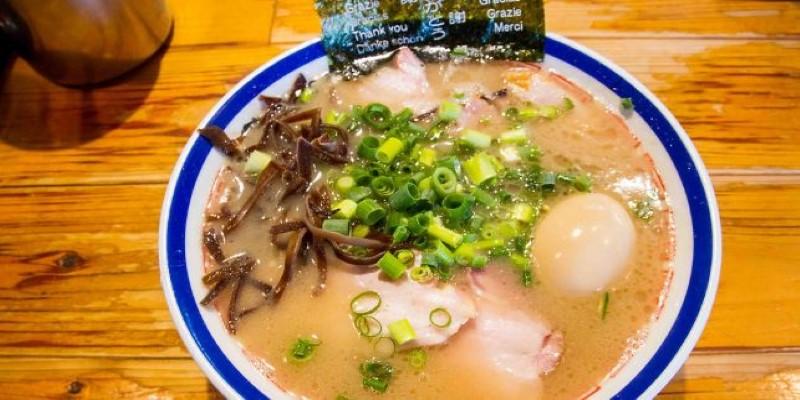
Ramen shops vary by region and style, and Tokyo has them all. Thick, rich tonkotsu broth or light and salty shio varieties are common, with most spots offering ticket machines at the door. The process is quick, efficient, and unspoken.
Sushi can be a casual lunch or a quiet, intimate dinner. Conveyor belt places are clean and well-stocked. Some neighborhoods have standing-only spots, where a few plates and ten minutes are enough. If you want the full omakase experience, it’s best to book well ahead those seats are limited.
Izakaya is where the city relaxes. They're informal and tucked into tight spaces under rail lines or above street-level shops. You'll find skewered meats, grilled vegetables, and fried snacks, often accompanied by soft chatter and handwritten menus. Pointing and basic phrases go a long way.
Depachika, or department store basements, are one of Tokyo’s most reliable food stops. From high-end bento boxes to freshly fried tempura, you can build a full meal without sitting down. Lunchtime crowds are fast and polite, and quality stays high even in takeaway form.
You can eat well every day without overthinking it. Tokyo’s respect for food shows in the smallest places.
Tokyo’s train network looks complex, but once you start using it, the patterns become familiar. Multiple companies run different lines, but most stations have clear signage, and transfers are straightforward. Apps like Google Maps help find the fastest routes.
A rechargeable IC card, such as Suica or Pasmo, makes things easier. Tap to enter and exit, no need to figure out fares. These cards also work on buses, vending machines, and even in convenience stores.
The city isn’t walkable in terms of crossing it on foot, but individual neighborhoods are ideal for walking. You’ll notice things you’d miss in a taxi or train—small shrines, local cafés, family-run shops.
Cash is still widely used. While large shops and hotels accept cards, many smaller places don’t. ATMs inside 7-Eleven stores usually work with foreign cards.
You don’t need to speak Japanese, but it helps to be polite and patient. Most people understand enough English for directions or ordering, and signs include translations. A calm tone, hand gestures, and appreciation go a long way.
There’s a quiet etiquette here. No phone calls on trains, no eating while walking, and no loud conversations in public transport. You don’t need to memorize rules, but you’ll sense the rhythm of the city if you pay attention.
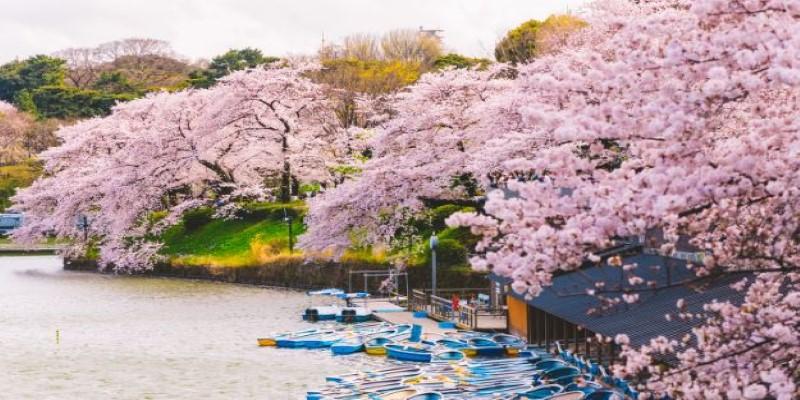
Spring is brief and beautiful. In late March and early April, cherry blossoms bloom across the city. Parks like Ueno and Chidorigafuchi are packed during peak bloom, but even small neighborhoods celebrate with food stalls and lanterns. Expect crowds and higher hotel rates.
Summer hits hard. It’s humid, with heavy air and sudden showers. That said, it’s festival season. Fireworks displays light up the sky, and night markets stay open late. It’s a good time for energy, but plan breaks indoors during midday heat.
Autumn is cooler and quieter. From October to November, leaves turn gold and red. Parks and shrines become peaceful spaces again. The weather is dry, and the mood of the city slows slightly. For many, it’s the best time to visit.
Winter is cold, but not harsh. Snow is rare in central Tokyo. Clear skies and crisp air dominate, and the city lights up with seasonal decorations. It’s a calm, clean time, with fewer tourists and better hotel availability.
Tokyo doesn’t rely on one perfect season. It adapts, changes, and keeps moving no matter the weather.
Tokyo doesn’t seek attention. It runs quietly and precisely—trains on time, meals flawless, streets alive with small moments. You remember the hush of a shrine, the sound before train doors close, the stillness between crowds. Tokyo never hurries you; it moves steadily, giving space to breathe and find your own rhythm within its flow.
 TOP
TOP
Discover the truth about COPD. Learn how to manage chronic lung disease and avoid common misconceptions that impact care.
 TOP
TOP
Learn how stress changes the brain, affects memory and focus, and which habits support mental clarity.
 TOP
TOP
Learn why some antidepressants may contribute to weight changes and what factors influence this response.
 TOP
TOP
Learn what febrile seizures are, why they occur, and how to respond safely if your child experiences one.
 TOP
TOP
Learn how to notice early emotional and behavioral signs that your child may be struggling with their mental health, and how to respond with steady support.
 TOP
TOP
Learn helpful ways to prepare your child for a doctor appointment and create a calmer, more confident experience.
 TOP
TOP
Discover Olomouc, a charming university town in eastern Czech Republic filled with historic squares, cathedrals, cafés, and peaceful parks that capture authentic Czech life.
 TOP
TOP
Discover Oslo, Stockholm, and Copenhagen: three cities that together form the amazing capital of Scandinavia through shared culture, design, and innovation.
 TOP
TOP
Learn why driving yourself or a loved one to the hospital during a heart attack is dangerous and how immediate care from emergency medical services saves time and heart muscle.
 TOP
TOP
Explore Culture, Nature and Adventure in Argentina through local traditions, wild landscapes, and authentic travel experiences
 TOP
TOP
Discover Tokyo through a grounded travel guide covering neighborhoods, food, transport, and seasons, offering a clear sense of the city’s everyday rhythm
 TOP
TOP
Experience the best of Positano with this Positano one day itinerary, offering coastal views, local flavor, and a simple plan for a memorable visit