If you ever try to find the capital of Scandinavia, you will discover that there is no single answer. Norway, Sweden, and Denmark each have their own, yet together they form one of the most connected regions in the world. Oslo, Stockholm, and Copenhagen share so much in their design, rhythm, and culture that visiting them feels like exploring one extended city divided by water. Each carries the same spirit of order, creativity, and trust that people associate with Scandinavia.
Scandinavia represents more than geography. It reflects a way of life centered on equality, environmental awareness, and understated confidence. Cities here function with quiet precision, but never at the cost of warmth. Buses arrive when expected, parks stay open for everyone, and the air feels clean enough to notice. Oslo, Stockholm, and Copenhagen each interpret these values differently while maintaining the same commitment to community and progress.
Visitors often begin in Oslo, where nature meets innovation. Others prefer Stockholm’s measured balance between design and tradition, while some are drawn to Copenhagen’s lively energy and bike-friendly streets. Whichever city you choose first, you begin to see how each contributes to the shared idea of an “amazing capital.”
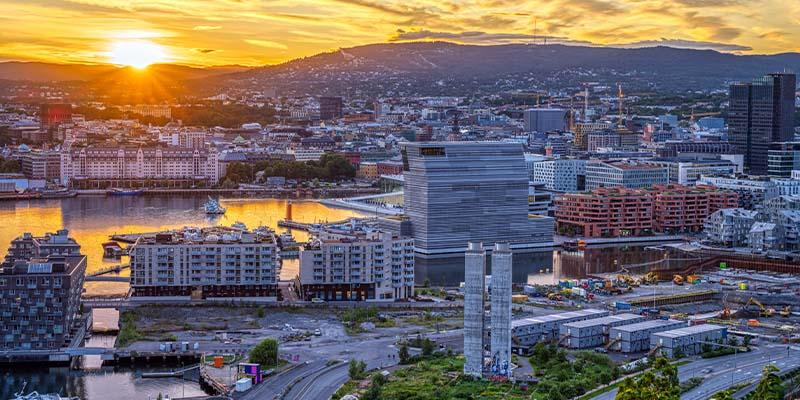
Oslo sits where forested hills meet the fjord, giving it a natural openness that defines daily life. The city runs on renewable power, and its ferries, buses, and trams operate with low emissions. Streets are clean but never empty, filled with a steady rhythm of locals walking, cycling, and gathering in open spaces.
The new waterfront area, known as Bjørvika, represents how Oslo connects sustainability with modern living. The Opera House rises beside the water, its roof sloping gently so visitors can walk to the top and look out over the harbor. Nearby, the MUNCH museum houses thousands of works by Edvard Munch, including The Scream, displayed in a space that combines natural light with quiet simplicity.
During summer, festivals fill the harbor with music and open-air performances. The Oslo Jazz Festival, Øya Festival, and local cultural fairs draw visitors from across Europe. Even in winter, the city feels alive through its Christmas markets and ski events that begin only minutes from downtown. These activities show how Oslo maintains energy through all seasons. From here, a short flight east leads to Stockholm, where design becomes the language of daily life.
Built across fourteen islands, Stockholm feels like a city made of water and rhythm. Ferries glide between districts while bridges connect modern glass structures with centuries-old stone. The balance between old and new makes it one of the most visually satisfying capitals in Europe.
For example, Gamla Stan, the old town, holds narrow cobblestone streets and ochre buildings that lead to the Royal Palace. Cafés spill onto the sidewalks in warmer months, and shop windows display everything from handmade crafts to minimalist furniture. In contrast, the district of Södermalm shows Stockholm’s creative side with design studios, small theaters, and tech offices. The city feels practical yet expressive, maintaining precision without losing warmth.
Museums anchor its cultural life. The Vasa Museum houses a seventeenth-century warship pulled intact from the sea, and the ABBA Museum celebrates Sweden’s musical legacy. Stockholm Film Festival and Midsummer celebrations fill the calendar, turning art and tradition into community events. This blend of culture and clarity defines the Swedish approach, connecting seamlessly to Copenhagen’s focus on movement and social life.
Copenhagen stands on the eastern edge of Denmark, facing Malmö across the Öresund Bridge. The connection between the two cities has made the region one of Europe’s most dynamic metropolitan areas. Copenhagen feels alive from morning until late evening, with bicycles outnumbering cars and public squares full of conversation.
The city’s energy comes from activity rather than noise. Wide lanes for cyclists run beside waterways lined with restaurants and galleries. The colorful houses of Nyhavn, once home to sailors and writers, now frame outdoor cafés that stay busy year-round.
Copenhagen is also known for food that reflects both comfort and precision. Restaurants like Noma, Geranium, and their smaller local counterparts experiment with fresh Nordic ingredients, while street markets such as Reffen bring together chefs and artists in open shipping containers. The result is a city where even lunch feels like an experience.
Culture thrives here as well. Tivoli Gardens, one of the world’s oldest amusement parks, combines rides with live concerts and fireworks each summer. The Copenhagen Jazz Festival transforms the city into an open stage, and winter months bring holiday markets filled with lights and traditional treats. Through it all, the atmosphere remains welcoming, showing how progress and play can exist side by side.
From Copenhagen’s open streets, the connection between these three cities becomes clear. They share not only geography but also a belief in community and care.
Oslo, Stockholm, and Copenhagen operate independently yet reflect the same mindset. Public systems emphasize reliability, governments prioritize transparency, and education receives consistent support. Citizens expect fairness, and in return they participate actively in civic life. That trust is visible in clean streets, safe neighborhoods, and public transport that rarely fails.
Traveling between these cities feels seamless. Flights take under an hour, and trains connect them efficiently. The landscapes change, but the feeling of order and calm remains constant. Each capital contributes something different: Oslo brings nature into daily living, Stockholm offers structure through design, and Copenhagen keeps everything in motion. Together, they create a complete experience of what Scandinavia represents.
Life in Scandinavia does not depend on grand gestures. Instead, joy appears in smaller details shared between people. In Oslo, locals celebrate National Day on May 17 with parades, traditional clothing, and ice cream in every park. Stockholm honors Midsummer with maypoles, flowers, and gatherings by the water. Copenhagen lights up every December with Christmas markets and candlelit streets where the scent of pastries fills the air.
Food connects these traditions. Norway’s seafood appears in small harbor restaurants, Sweden’s smörgasbord offers endless variety, and Denmark’s open-faced sandwiches remain a national favorite. Visitors can experience high-end dining and street food within the same afternoon. Each meal reflects pride in simplicity and quality rather than excess.
The arts remain equally central. Galleries, street performances, and outdoor concerts run throughout the year. Public funding keeps culture accessible, and citizens treat it as part of everyday life instead of an occasional luxury. This shared attention to art and community adds depth to the experience of traveling through Scandinavia.
Part of what makes Scandinavia unforgettable is how naturally everything works together. Systems that might feel idealistic elsewhere function smoothly here because people trust them. Public parks stay clean, water remains safe to drink anywhere, and trains leave at the exact time written on the board. The sense of reliability is not mechanical—it feels human.
Travelers often comment on how similar the atmosphere feels across borders. The same kindness you encounter in Oslo appears in Stockholm and Copenhagen. Conversations may shift in language, but the attitude remains consistent. This unity shows how shared values can shape entire societies without removing individuality.
The Spirit of a Scandinavian Capital
If one city had to carry the title alone, each would have a claim. Oslo stands out for its environmental leadership, Stockholm for its balance of design and culture, and Copenhagen for its openness and innovation. Yet none can represent the idea completely. The real capital of Scandinavia lives within the connections between them.
Together, these cities show that progress can feel personal, not distant. They prove that comfort, efficiency, and beauty can coexist without conflict. Visitors leave with more than memories of museums or harbors and they carry an impression of a region that values life done well. The amazing capital of Scandinavia is therefore not a single place. It is the shared spirit that runs through every bridge, park, and conversation across Norway, Sweden, and Denmark.
 TOP
TOP
Discover the truth about COPD. Learn how to manage chronic lung disease and avoid common misconceptions that impact care.
 TOP
TOP
Learn how stress changes the brain, affects memory and focus, and which habits support mental clarity.
 TOP
TOP
Learn why some antidepressants may contribute to weight changes and what factors influence this response.
 TOP
TOP
Learn what febrile seizures are, why they occur, and how to respond safely if your child experiences one.
 TOP
TOP
Learn how to notice early emotional and behavioral signs that your child may be struggling with their mental health, and how to respond with steady support.
 TOP
TOP
Learn helpful ways to prepare your child for a doctor appointment and create a calmer, more confident experience.
 TOP
TOP
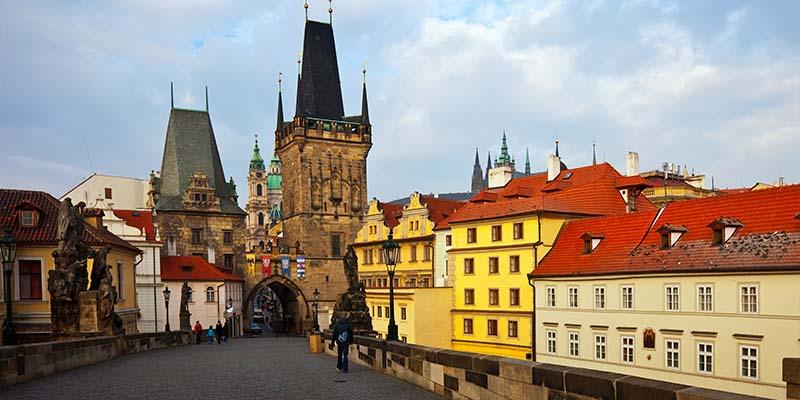
Discover Olomouc, a charming university town in eastern Czech Republic filled with historic squares, cathedrals, cafés, and peaceful parks that capture authentic Czech life.
 TOP
TOP
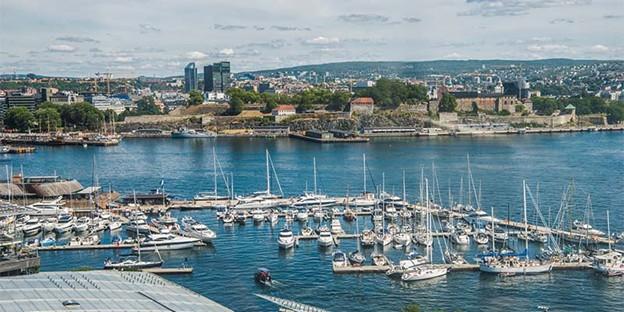
Discover Oslo, Stockholm, and Copenhagen: three cities that together form the amazing capital of Scandinavia through shared culture, design, and innovation.
 TOP
TOP
Learn why driving yourself or a loved one to the hospital during a heart attack is dangerous and how immediate care from emergency medical services saves time and heart muscle.
 TOP
TOP
Explore Culture, Nature and Adventure in Argentina through local traditions, wild landscapes, and authentic travel experiences
 TOP
TOP
Discover Tokyo through a grounded travel guide covering neighborhoods, food, transport, and seasons, offering a clear sense of the city’s everyday rhythm
 TOP
TOP
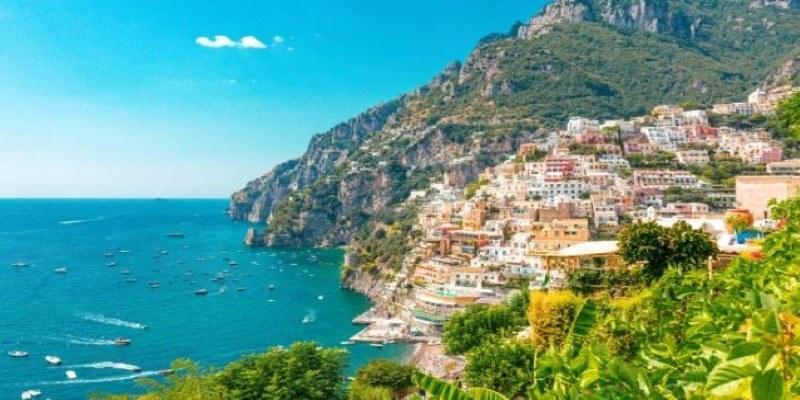
Experience the best of Positano with this Positano one day itinerary, offering coastal views, local flavor, and a simple plan for a memorable visit