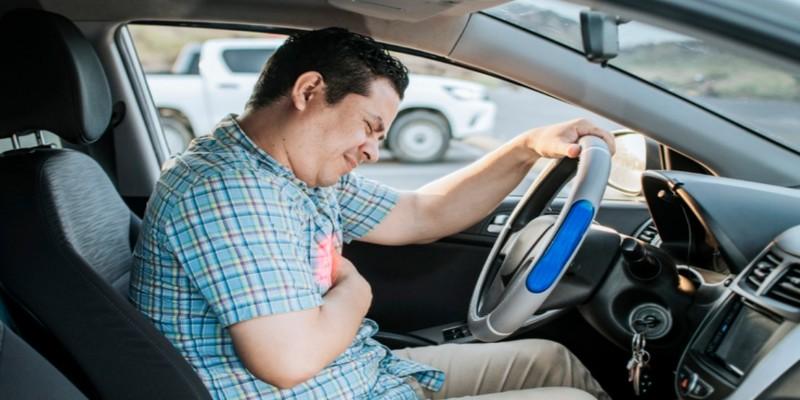
Denial is a powerful anesthetic. When the first crushing wave of pressure hits the center of the chest, the human brain often scrambles for a logical, non-threatening explanation. It must be the spicy dinner. It might be a pulled muscle from yesterday’s yard work. Every day, emergency departments across the country see patients walk through the automatic sliding doors, pale and diaphoretic, gripping their chests. They have driven themselves five, ten, or twenty miles through traffic while in the active stages of a heart attack. The decision to drive rather than call 911 is often the determining factor between a full recovery and permanent heart failure.
The primary danger of driving isn't the pain; it is the heart’s electrical volatility. When a blocked artery starves the muscle of oxygen, the resulting irritation can trigger Ventricular Fibrillation (V-Fib) within seconds. In this state, the heart stops pumping and simply quivers, causing immediate loss of consciousness.
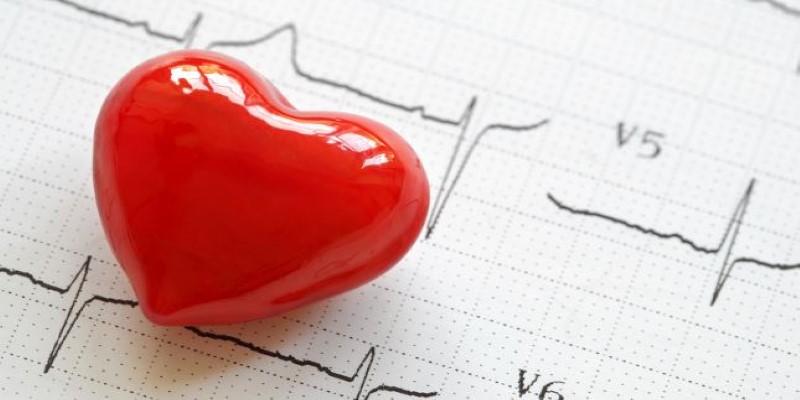
There is no warning and no time to pull over. The vehicle effectively becomes an unguided missile. ER teams frequently treat trauma patients from single-car accidents, only to discover later that a silent cardiac arrest caused the crash.
Even if the rhythm holds, the systemic response makes driving impossible. Adrenaline tunnels vision, while severe pain triggers vagal responses that drop blood pressure, leading to sudden fainting or vomiting. A driver experiencing these symptoms suffers from the same cognitive impairment as a drunk driver, yet they are often speeding to beat the clock.
Driving yourself creates a dangerous illusion of speed. You might physically reach the building three minutes sooner, but you immediately hit the wall of hospital bureaucracy. Walk-in patients are effectively anonymous until proven otherwise. You must negotiate with registration clerks, sit in crowded waiting rooms, and wait for a triage nurse to call your name. Even in the best hospitals, this process burns minutes you do not have. An EKG is required to confirm the diagnosis. Only then does the staff trigger the "STEMI alert" that pages the interventional cardiologist to drive in from home.
Ambulances eliminate these delays through pre-notification. Paramedics capture a 12-lead EKG in your driveway and transmit the data directly to the ER doctor's phone or the central station. If the scan confirms a blockage, the hospital activates the catheterization lab while you are still on the road. The difference is logistical magic. By the time the ambulance backs into the bay, security has cleared the elevators. The cardiologist is already scrubbing in, and your paperwork has started. You bypass the front desk, skip triage, and roll straight to the lab. A walk-in patient is stuck waiting for a diagnosis. An ambulance patient arrives with one, saving the heart muscle that matters most.
An ambulance is not a taxi. It is a mobile emergency room operating under a medical director's license. Treatment for a myocardial infarction begins the moment EMS makes contact, not when you reach the hospital doors. Paramedics carry a targeted drug kit designed to stabilize the dying muscle. They administer aspirin to prevent platelet aggregation and nitroglycerin to dilate coronary arteries, lowering blood pressure and reducing the heart's oxygen demand. In severe cases, fentanyl or morphine blunts the sympathetic stress response that dangerously spikes heart rate.
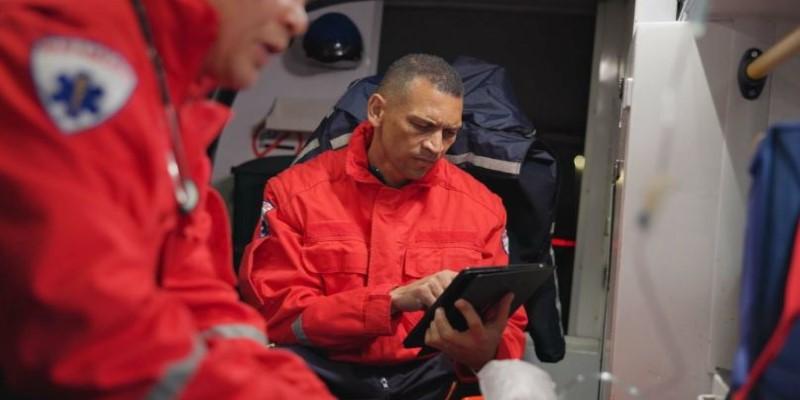
Crucially, EMS crews bring defibrillators and external pacemakers. If a fatal arrhythmia strikes in the back of the rig, paramedics can deliver a shock within seconds to restore a perfusing rhythm. If that same electrical storm hits in the passenger seat of a sedan on the interstate, the outcome is almost universally fatal. A driver cannot perform CPR; a passenger cannot defibrillate. The delay in resuscitation while waiting on the roadside ensures that even if the heart restarts, the brain has suffered irreversible hypoxic damage.
EMS also solves the routing problem. Not all hospitals have 24/7 cardiac catheterization capabilities. A patient driving themselves often heads to the nearest urgent care, only to face hours of delay awaiting transfer. EMS protocols dictate transport directly to a "STEMI center," bypassing facilities that cannot treat the occlusion. This logic alone saves countless lives.
Financial fear dictates these decisions. An ambulance ride in the U.S. creates sticker shock, often costing over a thousand dollars. Patients wager that their pain is just indigestion, terrified of "wasting" money they don't have. Yet, this short-term logic ignores the devastating math of delayed care. In cardiology, "time is muscle." Every minute an artery remains blocked, tissue dies. It is replaced by stiff scar tissue that cannot pump.
Treatment within the "Golden Hour" preserves the ejection fraction, allowing patients to return to work and live normal lives. Conversely, driving yourself means losing time to traffic and triage. This delay often results in chronic congestive heart failure. The lifetime price of this condition, specialized pacemakers, daily medications, repeat hospitalizations, and lost income, dwarfs the cost of a single transport. The ambulance bill is simply the price of the safety net that ensures you survive long enough to worry about the finances.
The onset of chest pain requires a surrender of control. It requires admitting that something is wrong and that you need help immediately. Handing over the responsibility of transport to professionals is the first step in treatment. The environment of a personal vehicle is uncontrolled and isolated. The environment of an ambulance is clinical, closely monitored, and directly connected to the lifesaving resources waiting at the hospital. When the chest tightens, and the breath runs short, the most dangerous thing you can do is look for your car keys. The only correct move is to unlock the front door and wait for the siren.
 TOP
TOP
Discover the truth about COPD. Learn how to manage chronic lung disease and avoid common misconceptions that impact care.
 TOP
TOP
Learn how stress changes the brain, affects memory and focus, and which habits support mental clarity.
 TOP
TOP
Learn why some antidepressants may contribute to weight changes and what factors influence this response.
 TOP
TOP
Learn what febrile seizures are, why they occur, and how to respond safely if your child experiences one.
 TOP
TOP
Learn how to notice early emotional and behavioral signs that your child may be struggling with their mental health, and how to respond with steady support.
 TOP
TOP
Learn helpful ways to prepare your child for a doctor appointment and create a calmer, more confident experience.
 TOP
TOP
Discover Olomouc, a charming university town in eastern Czech Republic filled with historic squares, cathedrals, cafés, and peaceful parks that capture authentic Czech life.
 TOP
TOP
Discover Oslo, Stockholm, and Copenhagen: three cities that together form the amazing capital of Scandinavia through shared culture, design, and innovation.
 TOP
TOP
Learn why driving yourself or a loved one to the hospital during a heart attack is dangerous and how immediate care from emergency medical services saves time and heart muscle.
 TOP
TOP
Explore Culture, Nature and Adventure in Argentina through local traditions, wild landscapes, and authentic travel experiences
 TOP
TOP
Discover Tokyo through a grounded travel guide covering neighborhoods, food, transport, and seasons, offering a clear sense of the city’s everyday rhythm
 TOP
TOP
Experience the best of Positano with this Positano one day itinerary, offering coastal views, local flavor, and a simple plan for a memorable visit