Getting a diagnosis of Chronic Obstructive Pulmonary Disease (COPD) can be confusing and scary. The very name sounds complicated, and there's a lot of outdated, incorrect information about the condition. COPD is a progressive disease that includes long-term problems like chronic bronchitis and emphysema, making it progressively harder to breathe. Sadly, many people carry misconceptions about who gets it, what causes it, and whether treatment is even truly worth the effort.
These myths aren't just harmless misunderstandings; they can actually be quite dangerous. They often cause people to ignore their symptoms, delay getting a diagnosis, or quit their treatment plan too soon. The best way to move toward better care and a fuller life with COPD is to dispel these common misunderstandings. Let's tackle the five most persistent myths and reveal the truth about this manageable, but serious, condition.
This is the biggest myth of all, and it causes a lot of trouble. While smoking is absolutely the leading cause—responsible for roughly 85 to 90 percent of all cases—it’s crucial to know that it is not the only way someone can develop COPD. If we only assume smokers are at risk, we miss diagnosing a lot of non-smokers who really need help.
People who have never touched a cigarette can develop COPD due to long-term exposure to different harmful substances in the air. This includes breathing in heavy secondhand smoke for many years, consistent exposure to strong air pollution, or inhaling significant dust, chemical fumes, or vapors while at work. There is also a rare but real genetic condition called Alpha-1 Antitrypsin Deficiency (AATD) that causes COPD, sometimes affecting young people who have never smoked at all. If you are struggling with shortness of breath, please talk to your doctor, no matter your smoking history.
COPD is often mistakenly grouped with other lung issues, particularly the persistent "smoker's cough" or the more common condition of asthma. While both COPD and asthma affect the lungs and can cause coughing or shortness of breath, they are fundamentally different diseases with distinct causes and, most importantly, different treatment approaches. Mixing up COPD with a milder condition can lead to ineffective self-care and worsening lung damage.
Think of it this way: Asthma is usually reversible; the airways constrict and swell, but this can be reversed with medication like an inhaler. COPD, on the other hand, involves permanent damage to the airways and the tiny air sacs (emphysema), as well as chronic irritation (bronchitis). This damage simply cannot be undone. While a persistent, phlegmy cough is a huge symptom of COPD, it's a sign of permanent airway damage, not just a temporary cough you can ignore.
This myth is especially harmful because it takes away hope and makes people feel like treatment isn't worth it. Yes, indeed, we can't undo the lung damage that has already happened, such as destroyed air sacs. But the idea that "nothing can be done" couldn't be more wrong. Today's treatments can slow the disease significantly and help people breathe better, move more comfortably, and enjoy a much better quality of life.
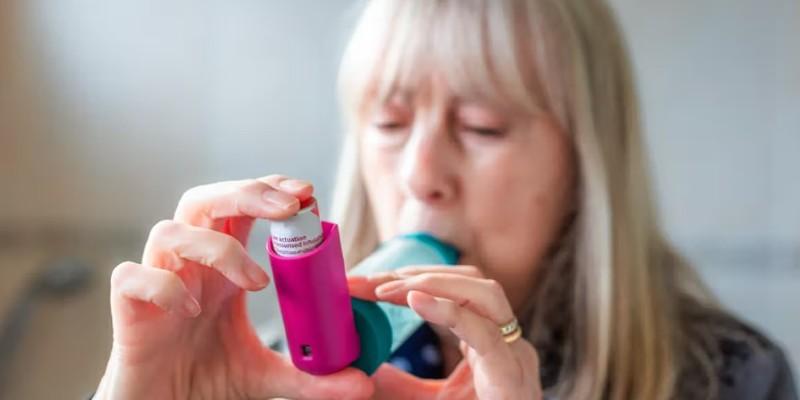
Managing COPD means staying consistent with your inhalers, joining pulmonary rehab (which is honestly one of the most powerful tools available), and making important lifestyle changes—like quitting smoking if you haven’t already. Many people who stick with their treatment plan notice major improvements: they can walk longer distances, breathe with less effort, and experience fewer dangerous flare-ups, which also means fewer emergency visits. No matter what stage you’re in, there is hope, and there are real, effective ways to feel better.
People with COPD often become terrified of exercising because it causes that immediate, unpleasant feeling of breathlessness. This fear causes them to completely avoid physical activity, thinking that resting and minimizing movement will somehow protect their limited lung function. This behavior actually works against them, accelerating the disease's progression.
When you avoid activity, your muscles become weaker, and your body becomes inefficient at using the oxygen it does get. When your leg muscles, for example, are weak, they require more oxygen to do the same task. This forces your breathing muscles to work even harder, leading to greater breathlessness. Pulmonary rehabilitation teaches you how to exercise safely, strengthening your whole body and the muscles you use for breathing. The stronger your body gets, the less demand there is on your already stressed lungs.
Since COPD affects the lungs and breathing, some people mistakenly assume it must be contagious, like catching a cold or the flu. This unfortunate myth can lead to hurtful isolation and needless worry for individuals living with COPD and their families. The simple fact is that COPD is not contagious and cannot be passed from one person to another.
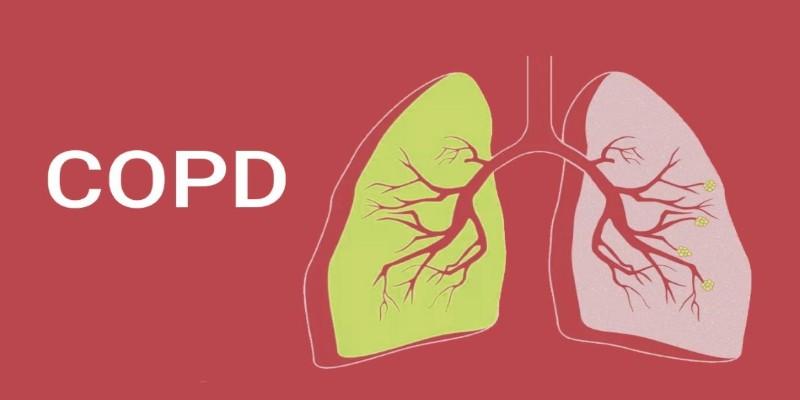
COPD is a chronic condition caused by long-term damage from environmental factors like smoke or pollution, or sometimes a genetic fault (AATD). It takes many years of exposure for the disease to develop. You absolutely cannot catch it by hugging someone who has it, sharing a meal, or being in the same room. The only thing people with COPD must be careful about is avoiding catching infections from others, as a common cold can trigger a dangerous flare-up.
COPD is a serious illness, but it is manageable. By understanding and challenging these common myths, you empower yourself and your loved ones to access the best available care. Remember this: it's not exclusively a smoker's disease, it's not reversible like asthma, and there are extremely effective treatments, including exercise and medication, that can greatly improve your breathing and overall health. If you are dealing with a cough that never goes away or constant breathlessness, please speak to your doctor right away. Early diagnosis and sticking to your treatment plan are the most powerful steps you can take.
 TOP
TOP
Discover the truth about COPD. Learn how to manage chronic lung disease and avoid common misconceptions that impact care.
 TOP
TOP
Learn how stress changes the brain, affects memory and focus, and which habits support mental clarity.
 TOP
TOP
Learn why some antidepressants may contribute to weight changes and what factors influence this response.
 TOP
TOP
Learn what febrile seizures are, why they occur, and how to respond safely if your child experiences one.
 TOP
TOP
Learn how to notice early emotional and behavioral signs that your child may be struggling with their mental health, and how to respond with steady support.
 TOP
TOP
Learn helpful ways to prepare your child for a doctor appointment and create a calmer, more confident experience.
 TOP
TOP
Discover Olomouc, a charming university town in eastern Czech Republic filled with historic squares, cathedrals, cafés, and peaceful parks that capture authentic Czech life.
 TOP
TOP
Discover Oslo, Stockholm, and Copenhagen: three cities that together form the amazing capital of Scandinavia through shared culture, design, and innovation.
 TOP
TOP
Learn why driving yourself or a loved one to the hospital during a heart attack is dangerous and how immediate care from emergency medical services saves time and heart muscle.
 TOP
TOP
Explore Culture, Nature and Adventure in Argentina through local traditions, wild landscapes, and authentic travel experiences
 TOP
TOP
Discover Tokyo through a grounded travel guide covering neighborhoods, food, transport, and seasons, offering a clear sense of the city’s everyday rhythm
 TOP
TOP
Experience the best of Positano with this Positano one day itinerary, offering coastal views, local flavor, and a simple plan for a memorable visit