Applying for a personal loan can feel straightforward, but the process behind the scenes is more detailed than it appears. Lenders don’t just check a number and make a decision. They look at a combination of your credit behavior, income, financial stability, and what you plan to do with the money.
Knowing how these factors come together helps you avoid surprises and prepare your application better. If you’ve ever wondered why one person gets approved and another doesn’t, the answer often lies in the fine print lenders analyze carefully.
One of the first things a lender checks is your credit score. It offers a snapshot of how responsibly you’ve handled debt in the past. The score itself ranges from poor to excellent and is shaped by several elements—payment history, credit use, length of history, new credit activity, and types of accounts. Most lenders look for a score above 650 to approve a personal loan, though better scores generally get you lower interest rates and higher loan offers.
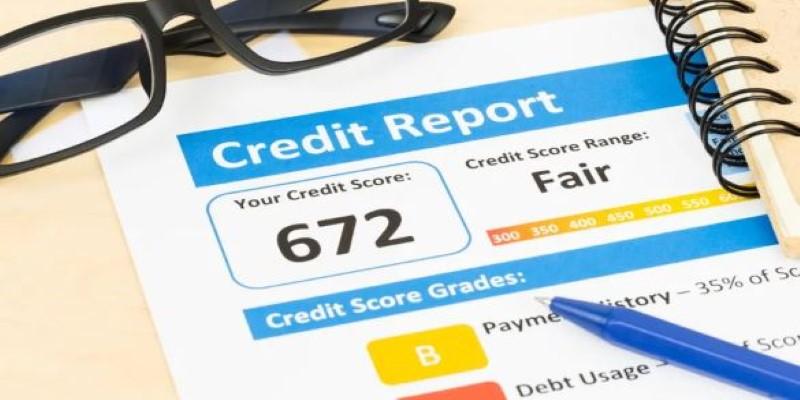
But the score alone doesn’t tell the full story. Your credit report provides a clearer picture. It shows whether you pay bills on time, how much debt you currently carry, and if you’ve had serious issues like accounts sent to collections or bankruptcies. It also reveals how long you’ve had credit accounts. Lenders prefer to see a solid pattern of timely payments over several years, not just a high score from recent activity.
They’ll also notice if you’ve been applying for a lot of credit lately. Each time you apply, a hard inquiry appears on your report. A few inquiries spaced out are normal, but too many in a short time can signal financial stress or overreliance on credit, which may affect your loan eligibility.
After reviewing your credit, lenders want to understand how much money you bring in—and how reliably. Regular income reassures them that you can repay what you borrow. If you earn a consistent paycheck from an employer, this typically simplifies the approval process. But that doesn't mean freelance or self-employed workers are out of luck. You'll just need to share extra documentation, such as tax returns or bank statements, to show steady earnings.
Another major factor is your debt-to-income ratio (DTI). This shows what percentage of your monthly income goes toward existing debt payments. For example, if you earn $4,000 per month and pay $1,200 toward debts, your DTI is 30%. Lenders use this number to assess whether you can realistically afford another monthly payment. Many prefer DTI under 40%, though this can vary.
They also look for job stability. Having the same employer or field of work over time shows consistency. If you’ve recently changed jobs but stayed in the same line of work, that’s usually fine. But gaps in employment or frequent shifts may raise questions, especially if your income is inconsistent.
When applying for a personal loan, you’ll be asked why you need the money. While it may seem like a formality, lenders do care about your reason. Using a loan to pay off high-interest debt or cover medical expenses is often seen as more responsible than using it for non-essential spending. That doesn’t mean you can’t borrow for home improvements or a large purchase, but the purpose gives lenders insight into how you manage money.

The amount you request matters, too. Asking for more than you can reasonably repay based on your income and debts is a common reason for denial. Lenders will assess whether the monthly payment fits comfortably within your budget. If not, they may offer a smaller amount or ask for a co-signer who can share responsibility for the loan.
A clear explanation of your plans helps. For example, if you’re consolidating several credit cards into one loan, providing details shows that you’ve thought through your decision. It can also help you secure a lower interest rate if the lender believes the loan will improve your financial situation.
While credit and income are key, lenders often look beyond those. One area is your banking behavior. If your checking account shows a pattern of overdrafts or fees, or if it was recently closed for negative activity, that could affect your standing—especially if you’re applying through the same bank.
Lenders also verify identity and residency. You'll need a valid ID and a stable address. Moving often or lacking clear documentation can raise issues. Age matters too—you must be at least 18, and usually a citizen or permanent resident. Some lenders may work with visa holders, but this varies by company.
Every lender has their own approval model, which can include internal scoring systems. These may consider data beyond standard credit reports—such as how people with similar profiles have performed over time. That’s why you might be approved by one lender and turned down by another, even with the same application.
Another thing that can help is having a savings account with some cushion. While it's not always required, lenders may consider it a positive sign of financial discipline, especially if your income or credit score is borderline. Even something as simple as setting up automatic payments can tip things in your favor with some lenders, as it lowers the risk of missed payments.
Qualifying for a personal loan depends on several things working together—your credit record, income, job situation, the loan amount, and how you plan to use it. Lenders want to know you’re a safe bet. They don’t expect perfection, but they do look for steady habits and realistic expectations. Understanding what they’re looking for helps you avoid missteps, prepare stronger applications, and improve your chances of approval. A thoughtful approach can lead to better loan offers, lower interest rates, and fewer delays. The process may seem technical, but at its core, it’s about trust—built one detail at a time.
 TOP
TOP
Discover the truth about COPD. Learn how to manage chronic lung disease and avoid common misconceptions that impact care.
 TOP
TOP
Learn how stress changes the brain, affects memory and focus, and which habits support mental clarity.
 TOP
TOP
Learn why some antidepressants may contribute to weight changes and what factors influence this response.
 TOP
TOP
Learn what febrile seizures are, why they occur, and how to respond safely if your child experiences one.
 TOP
TOP
Learn how to notice early emotional and behavioral signs that your child may be struggling with their mental health, and how to respond with steady support.
 TOP
TOP
Learn helpful ways to prepare your child for a doctor appointment and create a calmer, more confident experience.
 TOP
TOP
Discover Olomouc, a charming university town in eastern Czech Republic filled with historic squares, cathedrals, cafés, and peaceful parks that capture authentic Czech life.
 TOP
TOP
Discover Oslo, Stockholm, and Copenhagen: three cities that together form the amazing capital of Scandinavia through shared culture, design, and innovation.
 TOP
TOP
Learn why driving yourself or a loved one to the hospital during a heart attack is dangerous and how immediate care from emergency medical services saves time and heart muscle.
 TOP
TOP
Explore Culture, Nature and Adventure in Argentina through local traditions, wild landscapes, and authentic travel experiences
 TOP
TOP
Discover Tokyo through a grounded travel guide covering neighborhoods, food, transport, and seasons, offering a clear sense of the city’s everyday rhythm
 TOP
TOP
Experience the best of Positano with this Positano one day itinerary, offering coastal views, local flavor, and a simple plan for a memorable visit