Rheumatoid arthritis (RA) is an autoimmune disorder that results in chronic inflammation, pain, and stiffness of the joints, causing disability. New studies have traced the crucial relationship between gut and RA and are the attracting answer to symptom management. The gut was a field to explore and find some novel ways to make the lives of the RA sufferers better.
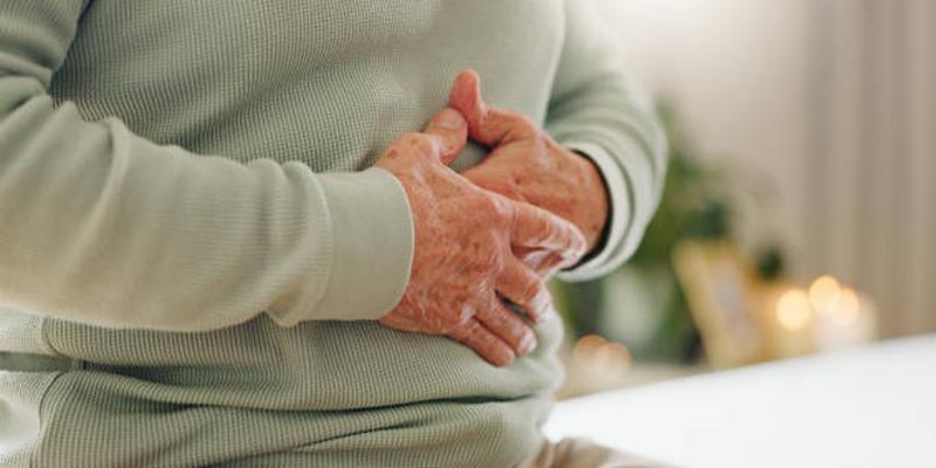
Rheumatoid arthritis is an autoimmune disease where the primary conditions involve joint-related issues leading to painful aches, swellings as well and stiffness. Rarely affected by old age or mechanical stress (as characterized by wear and tear arthritis), this illness is initiated by the immune system in an assault on the body by the joint tissue, which is self-owned. The resulting outcome or consequence of the misinformed immune response is inflammation, rupture of tissues, as well as ultimate deformity of the joints.
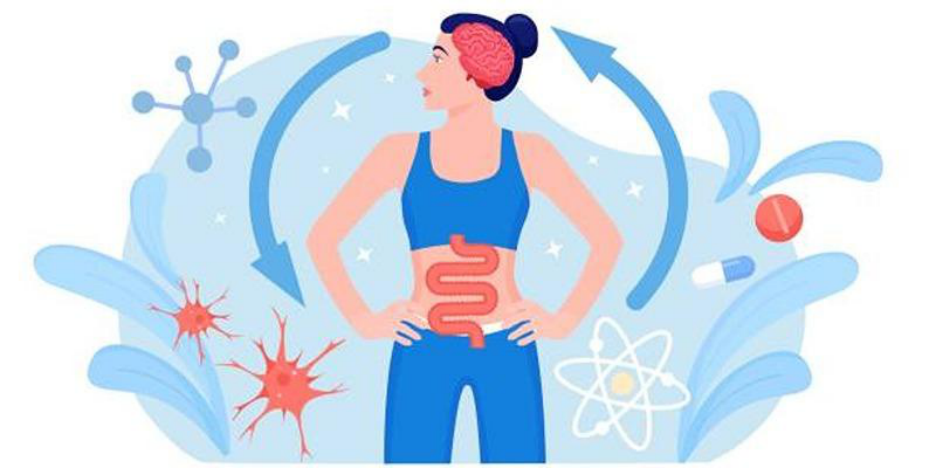
A large and multifaceted population of microorganisms inhabits the intestinal tract and is referred to as the gut microbiome. This internal ecosystem affects almost all facets of humanity such as digestion, immune functioning, etc. Once it gets unbalanced, it may cause extensive inflammation that goes far beyond the digestive tract and spreads to the joints.
The immune system is concentrated in the gut, approximately 70 percent, and thus the health of the gut is directly linked to the work of the immune system. The gut lining is selective, and only offers nutrient access to the blood, but excludes toxins and other harmful bacteria. Once this shield is damaged, a condition also known as intestinal permeability, a substance that is unwanted may pass into the blood.
This elicits an immune response where the body tries to destroy such invaders as they are perceived. In the long run, these ongoing immunological reactions may culminate in systemic inflammation, the exact chronic inflammation archetype, which is observed in rheumatoid arthritis. Therefore, autoimmune conditions can be built or exacerbated by poor gut health.
Moreover, the gut microbiome can talk to immune cells via chemical signals that affect the way the body reacts to it, either in a balanced response or an inflammatory response. The presence of the beneficial bacteria aids in the generation of short-chain fatty acids, which decrease inflammation; however, harmful bacteria can release toxin that worsens the immune system.
The gut microbiome and its relationship with rheumatoid arthritis are both being backed up by a new body of scientific research. Comparative studies carried out involving people with RA and non-RA have indicated that the individuals with the condition exhibit significant differences in the composition of the intestinal bacteria. Specifically, the increase of one of the bacteria called Prevotella copri has been linked to increased inflammation and the risk of the disease.
On the other hand, patients with a highly diverse microbiome containing pathogen-free bacteria like Bacteroides fragilis and Lactobacillus have fewer inflammatory symptoms. It has also been shown through clinical trials that dietary interventions and probiotic supplementation may help decrease the level of the inflammation markers, e.g., C-reactive protein, in patients with autoimmune disorders.
Scientists are currently taking a closer look at the potential improvements of current RA therapies with gut-targeted ones. There is a promising future of using gut bacteria as biomarkers to identify diseases at an early stage or to develop personalized treatment plans. In addition to the importance of traditional medication to cope with symptoms, it might be important to consider the combination of gut health optimization that can allow patients to experience more sustainable relief.
Another potent and immediate effect of food on the gut microbiome is food. Each meal can either nourish the good bacteria or feed the bad bacteria. In cases of rheumatoid arthritis, an anti-inflammatory, gut-friendly diet may accomplish the intended goals of strengthening the intestinal barrier, as well as reducing immune overactivity.
The most effective dietary strategies are:
Pay attention to the consumption of more fiber in foods: Lentils, beans, fruits and vegetables are a good source of prebiotic fibers that feed the good gut microorganisms. This helps it to create anti-inflammatory substances that are capable of reducing the pain in the joints.
● The use of healthy fats: Omega-3 abundant fats like chia seeds and flaxseeds are sources of omega-3 that lower inflammatory parameters in the human body, hence rendering the joints flexible.
● Addition of fermented products: Yogurt, kefir, sauerkraut and kimchi contain probiotics that enhance microbial diversity, and this contributes to immune balance.
● The reduction of refined and processed food: Such key food products can disturb the gut food balance and promote inflammation. Whole and nutrition-rich foods are good since the body takes better time to heal.
● Hydration: Water plays a role in helping the digestive system, aids the absorption of different nutrients, and helps to maintain the integrity of the gut lining.
Adding the probiotics in the form of natural sources, like fermented foods, could be used in order to restore the useful bacteria. In the meantime, prebiotics, such as oats, bananas, onions, and asparagus, for instance, provide the food these bacteria require to thrive. In the long term, such dynamic cooperation improves the integrity of the gut barrier and could be used to regulate the autoimmune reactions linked with rheumatoid arthritis.
It is important to keep in mind that not everything works in the same way for all probiotic strains. Adding supplements without consulting a healthcare professional is risky since the strains to be taken can be incompatible with the individual's health needs.
Rheumatoid arthritis is likely to aggravate when the body is stressed, exhausted or inactive. Basic, green lifestyle changes can be used to supplement food-related activities and aid in general recovery.
● Stress management: The stress experienced chronically liberates hormones that interrupt digestion and loosen the intestinal barrier.
● Sleep enough: Sleep plays a very critical role in immunity and recovery. Strive to get regular sleeping schedules to aid in gut and joint restoration.
● Regular exercise: Low-impact exercise events such as walking, swimming, or yoga enhance the joints of the body in terms of flexibility and circulation.
● Avoiding excessive processed foods: Highly processed foods usually have additives, which disrupt the microbiome in the gut, facilitating inflammation and discomfort.
These will be lifelong habits to improve oneself to an improved one and these will allow one to have a better immune system and healthier joints.
The gut health-rheumatoid arthritis connection highlights the fact that there is incredible compatibility within the human body. A healthy gut leads to subsidence of inflammation and a restoration in the functionality of the immune system, which is a natural way to lower pain and increase mobility. With the help of a proper diet, an observant lifestyle pattern, and emphasis on the regeneration of the gut, patients with RA will regain comfort and confidence in their lives.
 TOP
TOP
Discover the truth about COPD. Learn how to manage chronic lung disease and avoid common misconceptions that impact care.
 TOP
TOP
Learn how stress changes the brain, affects memory and focus, and which habits support mental clarity.
 TOP
TOP
Learn why some antidepressants may contribute to weight changes and what factors influence this response.
 TOP
TOP
Learn what febrile seizures are, why they occur, and how to respond safely if your child experiences one.
 TOP
TOP
Learn how to notice early emotional and behavioral signs that your child may be struggling with their mental health, and how to respond with steady support.
 TOP
TOP
Learn helpful ways to prepare your child for a doctor appointment and create a calmer, more confident experience.
 TOP
TOP
Discover Olomouc, a charming university town in eastern Czech Republic filled with historic squares, cathedrals, cafés, and peaceful parks that capture authentic Czech life.
 TOP
TOP
Discover Oslo, Stockholm, and Copenhagen: three cities that together form the amazing capital of Scandinavia through shared culture, design, and innovation.
 TOP
TOP
Learn why driving yourself or a loved one to the hospital during a heart attack is dangerous and how immediate care from emergency medical services saves time and heart muscle.
 TOP
TOP
Explore Culture, Nature and Adventure in Argentina through local traditions, wild landscapes, and authentic travel experiences
 TOP
TOP
Discover Tokyo through a grounded travel guide covering neighborhoods, food, transport, and seasons, offering a clear sense of the city’s everyday rhythm
 TOP
TOP
Experience the best of Positano with this Positano one day itinerary, offering coastal views, local flavor, and a simple plan for a memorable visit