The repair of heart valves is developing at an accelerated pace, which is determined by innovative technologies and changing medical practice. The blog addresses fundamental trends that shape the future of heart valve repair and offers some insights on how they can enhance the quality of life and patient outcomes.
Innovations in heart valve repair are changing medical practice and providing a patient with less invasive and more successful treatment results. Three of these key areas in which innovation is bearing considerable influence at the present and each affecting the future of cardiovascular health are discussed below.
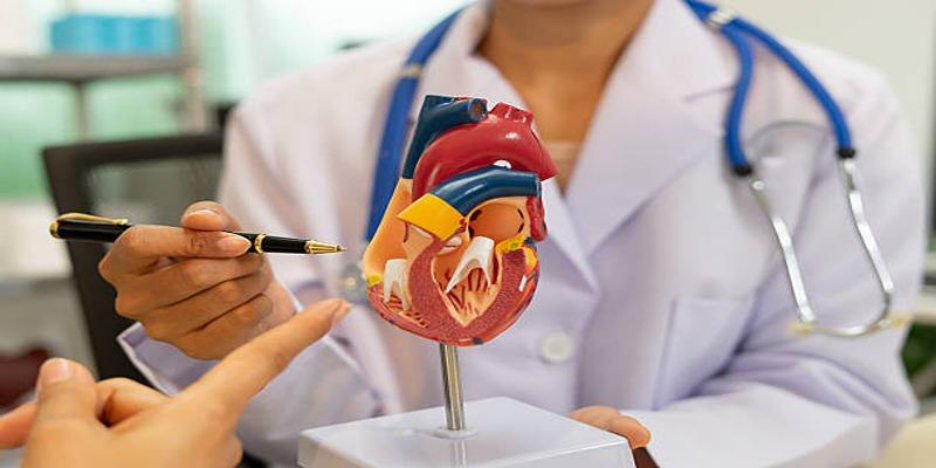
Transcatheter Aortic Valve Replacement (TAVR) is an innovative process, which enables repairing heart valves without open heart surgery. TAVR also has a shorter recovery period and offers patients at high-risk an opportunity to recover, since it time and again is done through blood vessels and directly reaching the heart. This is a less invasive procedure that is quickly gaining popularity as an aortic stenosis treatment in the elderly or those who do not survive a standard surgery.
The introduction of 3D printing in the repair of heart valves means a significant advance in custom medicine. By designing and producing specially shaped heart valves that perfectly fit the anatomy of an individual person and ensuring that they perform their functions optimally, 3D printing will see to it that the devices are optimally fitting and functioning. Also, this technology will shorten production time and will allow more timely access to life-saving equipment.
The robot assisted systems are transforming the repair in the heart valve in terms of the accuracy and control the wave is providing to the surgeon. These systems make it possible to make ultra-fine movements that reduce the level of trauma to the surrounding tissue in order to cause shortened hospitalization and quicker recovery.
The identification of heart valve diseases at its early stages and subsequent management is being changed with the use of artificial intelligence. Diagnostic tools driven by AI are used to analyze large datasets in order to spot the patterns of elements and detect anomalies with impressive precision. These systems are helpful, as they can guide clinicians through predictive models, simplify the diagnostic process and allow early interventions that can lead to better patient outcomes.
The creation of the regenerative valves of the heart tissue is a big step towards the cure of the heart valves. The valves are bioengineered with the use of the patient-derived cells which lessen the chances of rejection and enhancing the growth of tissues. Invaluable New regenerative ones can be used to enhance the life expectancy and functionality and reduce the lifetime use of medications or the need to undergo further, follow-up procedures.
New smart sensor valves include the use of new technology to measure and send real-time data concerning valve performance and patient health. These sensors offer constant feedback, and proactive changes and timely medical response can be taken. Such personalization level has improved the care given to the patient and better management of the heart valve cases in the long term.
State of the art 3D imaging technologies are transforming preoperative planning and accuracy in surgery when treating heart valves. The imaging modalities of 3D echocardiography and CT scans can show the structure of the heart in a meticulous detail that can be used in the correct diagnosis and planning of a procedure. Giving an intuitive and full image of the heart, the tools enhance the success rate of interventions to a great extent.
The improvement in the treatment of valves of the heart has led to tremendous improvements, yet there are challenges that are yet to be addressed. These challenges must be addressed to make sure that technologies and interventions are accessible, effective, and sustainable, and to make the patient outcomes better in the end.
The high cost of advanced heart valve treatment and imaging technologies is one of the major problems. These costs have the ability to render care unaffordable to patients especially in low income areas. The trade between innovation and affordability is essential in providing more access to and equitable healthcare solutions to various people.
The high-quality images and treatment interventions call for expertise and training, and not all health facilities might have these. This weakness may avoid extensive implementation of new technologies, which results in the inequality of high-quality care availability. The change needed to fill this gap is investment in training programs and infrastructure.
Incorporation of newer diagnostic tools in the current health care systems may be otherwise complicated and may demand a lot of time. The lack of interoperability between devices, data management, and the adaptation of the staff to the new working processes can become a deterrent in a seamless implementation.

The sphere of medical technological improvements is incredibly open to new prospects on how to improve patient outcomes and simplify the med operations. Healthcare systems can fulfill their potentials and transform service delivery by handling the current issues using new ways to solve problems. The following are some of the crucial areas where major improvements can be achieved:
Data-driven and genomics-based personalized medicine enables the provision of customized care to meet the needs of a patient. With the help of genetic data and predictive data, the healthcare professionals may come up with accurate prevention and care plans. It minimizes trials and error approaches to treatments thus enhancing efficiency and patient satisfaction besides providing better health outcomes both in acute and chronic conditions.
Telemedicine is an implementation that eliminates the degree of geographical restrictions involved in seeking quality care, as patients will be able to obtain quality care irrespective of their geographical location. Remote consultations, monitoring, and follow-ups, especially in the rural areas that are underserved, are facilitated by the communication technology.
Artificial intelligence (AI) allows administrative issues to be automated, including appointment booking, data processing, and patient records. This minimizes human errors as well as workloads on the staff enabling clinicians to care about their patients. These AI-driven analytics also boost decision making and recognition of patterns and trends, as well as, leading to improved managing of resources and efficient healthcare delivery systems.
Further innovation, accuracy, and customization are the future of heart valve repair. Treatment has become safer and more effective with the development of such technologies as AI, 3D printing, and regenerative ones. These advances offer better results, enhanced faster recovery, and a new dawn of patient-centered cardiovascular care.
 TOP
TOP
Discover the truth about COPD. Learn how to manage chronic lung disease and avoid common misconceptions that impact care.
 TOP
TOP
Learn how stress changes the brain, affects memory and focus, and which habits support mental clarity.
 TOP
TOP
Learn why some antidepressants may contribute to weight changes and what factors influence this response.
 TOP
TOP
Learn what febrile seizures are, why they occur, and how to respond safely if your child experiences one.
 TOP
TOP
Learn how to notice early emotional and behavioral signs that your child may be struggling with their mental health, and how to respond with steady support.
 TOP
TOP
Learn helpful ways to prepare your child for a doctor appointment and create a calmer, more confident experience.
 TOP
TOP
Discover Olomouc, a charming university town in eastern Czech Republic filled with historic squares, cathedrals, cafés, and peaceful parks that capture authentic Czech life.
 TOP
TOP
Discover Oslo, Stockholm, and Copenhagen: three cities that together form the amazing capital of Scandinavia through shared culture, design, and innovation.
 TOP
TOP
Learn why driving yourself or a loved one to the hospital during a heart attack is dangerous and how immediate care from emergency medical services saves time and heart muscle.
 TOP
TOP
Explore Culture, Nature and Adventure in Argentina through local traditions, wild landscapes, and authentic travel experiences
 TOP
TOP
Discover Tokyo through a grounded travel guide covering neighborhoods, food, transport, and seasons, offering a clear sense of the city’s everyday rhythm
 TOP
TOP
Experience the best of Positano with this Positano one day itinerary, offering coastal views, local flavor, and a simple plan for a memorable visit